
Liver Toxicology Service Overview
Validated 3-D models, bespoke analytics, actionable output
VivoSim Labs offers an integrated liver toxicology service built on the NAMkind™ Liver Model to close the gap between exploratory biology and clinical reality. Drug-induced liver injury remains the leading cause of compound attrition in Phase I and Phase II trials, often because conventional 2-D cultures and animal studies miss human-specific liabilities. Built with human cells our three-dimensional micro-liver spheroids, composed of primary hepatocytes with Kupffer, endothelial, and stellate cells, reproduce the architecture, function, and metabolic capacity of the human liver in a physiologically relevant environment.
Our standard service can screen up to two hundred compounds at multiple concentrations within seventeen days, simultaneously measuring viability, functional output, and early DILI biomarkers including LDH release, albumin secretion, ATP viability, and glutathione status. This approach enables clear differentiation of which scaffolds are safe to advance, which require optimization, and which should be retired.
Beyond these core read-outs, optional mechanistic panels can uncover root causes, transcriptomic shifts, or mitochondrial liabilities, while species-specific micro-liver variants resolve cross-species discrepancies before in vivo studies. The final report integrates quantitative results with high-resolution microscopy images to rank your drug candidates by risk, allowing teams to prioritize resources on the most promising compounds while costs remain low.
At VivoSim, clients receive more than just data. Senior toxicologists are here to meet with your team to define objectives, tailor secondary assays, and interpret outcomes in the context of structure and activity relationships, clinical biomarkers, and regulatory standards. Whether you need a quick viability screen, a full mechanistic deep dive, or a species comparison to support toxicology study design, we assemble the right combination of endpoints and deliverables. The final report integrates quantitative results with high-resolution microscopy images to generate recommendations on practical next steps, enabling faster, safer progress through the pipeline.

How the service works
From intake to final report, our liver safety workflow is built for speed and clarity. You ship the compounds, we culture NAMkind™ livers, run the treatment schedule, collect high-content endpoints, and translate the data into clear recommendations.
Standard service timeline
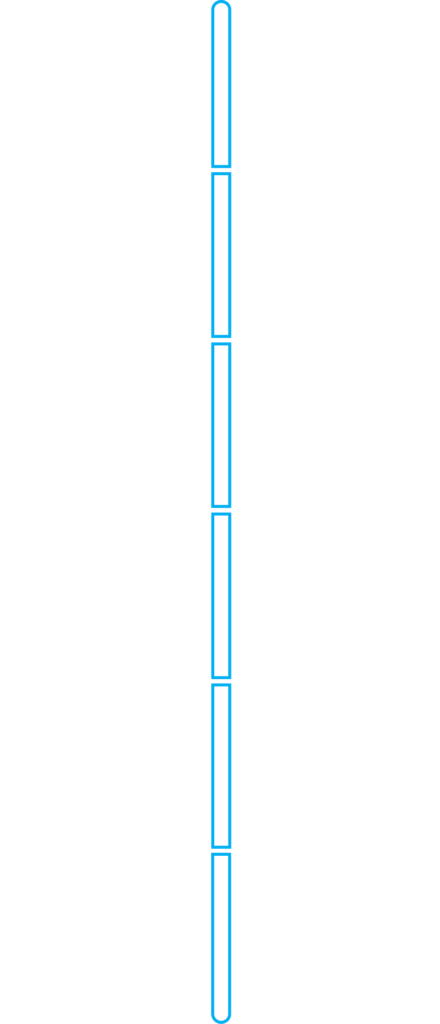
Day -3 Seeding Liver Model
Day 0 1st Dosing
Days 1-7 2-3rd Repeat Dosing
Week 2 Experimentation Completed
Weeks 2-4 Data Analysis
Week 4 Data Output
Species Specific Liver Toxicology Service Overview
Cross-species liver models to improve translation and de-risk animal findings
Selecting an appropriate preclinical toxicology model be can a challenge in drug development. Our species-specific liver toxicology models are designed to reflect the physiological responses of the four primary FDA-recognized animal species – rat, mouse, dog, and monkey. These models help uncover species-dependent toxicities early, providing critical insights into whether a candidate is likely to be safe in humans. By capturing interspecies variability in liver response, our platform addresses a fundamental problem in toxicology: a drug may be toxic in one species but not another, or worse, safe in animals but harmful in humans. Our models support better-informed decisions, helping de-risk development and guide translational relevance before clinical trials.
Why Our 3D NAMkind™ Liver Model for Toxicology
Our advanced NAMkind™ Liver model enables liver safety researchers to reach the full potential of 3D in vitro DILI testing through scalable, reliable and reproducible 3D human models and advanced scientific expertise.
Human-Relevant Biology That Mirrors the Liver
Designed for High-Throughput & Scalable Testing
Rapid Turnaround for Confident Decisions

Cost-Effective.
Easy to Use.
Packed with Insight.
